

Why Student Housing?
Discover why student housing offers investors an overlooked opportunity, driven by durable demand, constrained supply, and the unique dynamics of university markets.
KEY ADVANTAGES
Why Student Housing Is Attractive
Discover the demand drivers, market dynamics, and operational advantages that make student housing an attractive real estate opportunity for knowledgeable property investors.
Recession-Resistant Demand
Housing remains a core need for students, helping support occupancy even during economic downturns.
Growing Demand Near Universities
Enrollment trends and limited nearby housing supply can drive strong demand in many college markets.
Universities as Demand Anchors
Colleges and universities create a steady demand base that supports long-term housing needs.
Fragmented Competition
Many markets remain locally owned and less institutionalized, creating room for strong operators to stand out.
Annual Rent Resets
Leases often renew each academic year, allowing owners to adjust rents more frequently than in conventional multifamily.
Guarantors Reduce Credit Risk
Parent or third-party guaranties can help lower collection risk and strengthen rent security.
The Opportunity in Student Housing
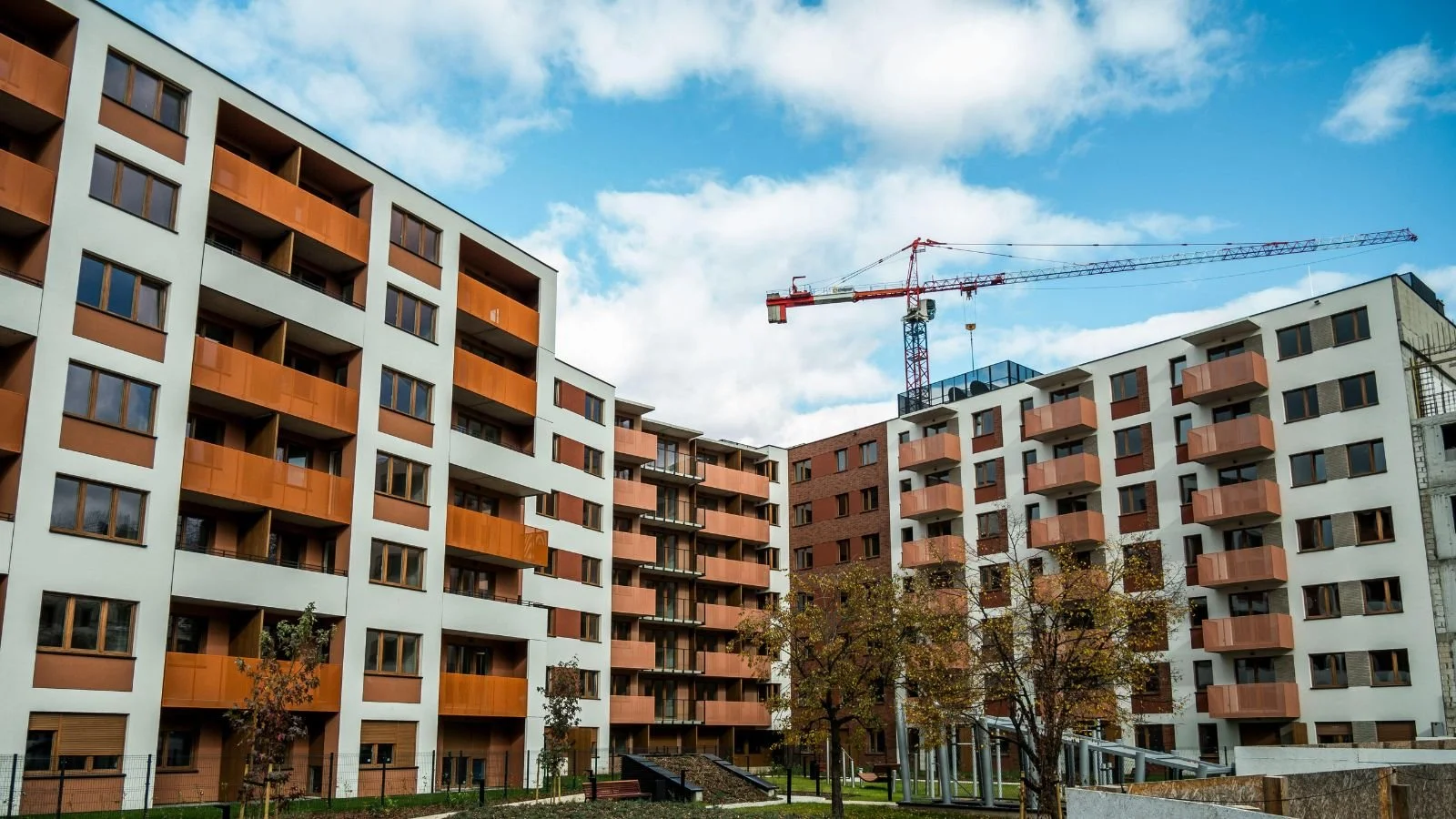
Student housing has quietly become one of the most resilient asset classes in U.S. real estate — and almost no one is talking about it.
For decades, the sector has flown under investors' radar. Ownership is fragmented across thousands of small, local operators. Reliable market data is scarce compared to multifamily or office. And the unique dynamics of the asset class — academic-year leasing cycles, university enrollment patterns, parental co-signing, by-the-bed rather than by-the-unit economics — have kept most institutional and individual investors on the sidelines.
That gap is the opportunity.
Durable Demand Meets Limited Supply
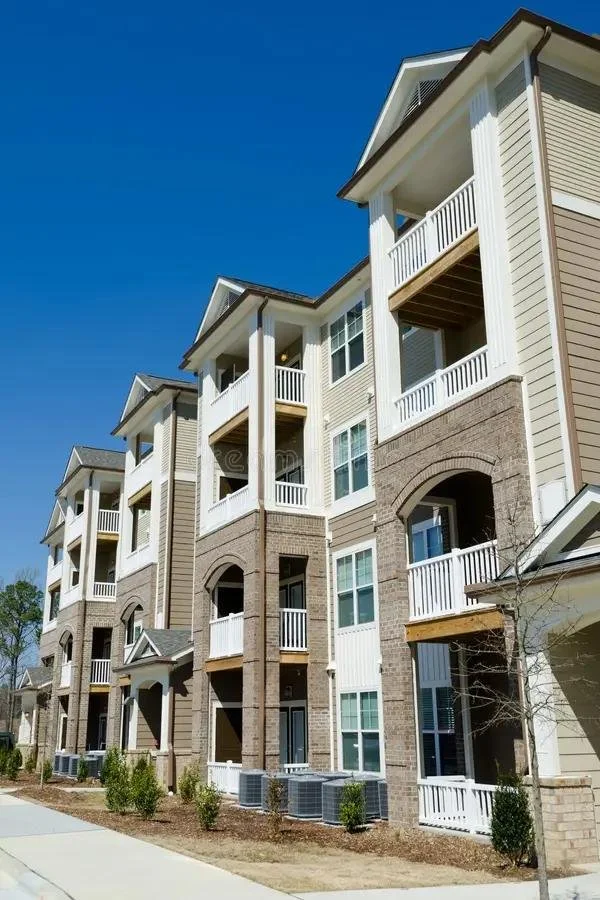
Demand is structurally durable: college enrollment near top universities remains stable to growing, and students need somewhere to live regardless of broader economic cycles.
Supply is constrained: new construction near campuses is often limited by zoning and land availability. And because the space is under-institutionalized, well-informed investors can still find off-market deals, undervalued properties, and value-add opportunities that have long since disappeared from more crowded sectors like multifamily.
SHI exists to close the information gap — giving investors the market knowledge, deal frameworks, and operator relationships that used to be available only to a small circle of insiders.

TAKE THE NEXT STEP
Start Your Student Housing Journey
SHI exists to close the information gap — giving investors the market knowledge, deal frameworks, and operator relationships that used to be available only to a small circle of insiders.